
In today’s digital world, having a strong online presence is no longer optional—it’s essential. As millions of people search for products and services every day, businesses must appear where their audience is actively looking: search engines. This is where Search Engine Marketing, becomes one of the most powerful and effective digital marketing tools.
SEM helps businesses reach the right audience at the exact moment they are searching for solutions. It focuses on paid advertising to boost visibility, attract high-quality traffic, and generate faster results than organic methods alone. Whether you’re a small business or a growing brand, understanding SEM can transform the way you market your products or services online.
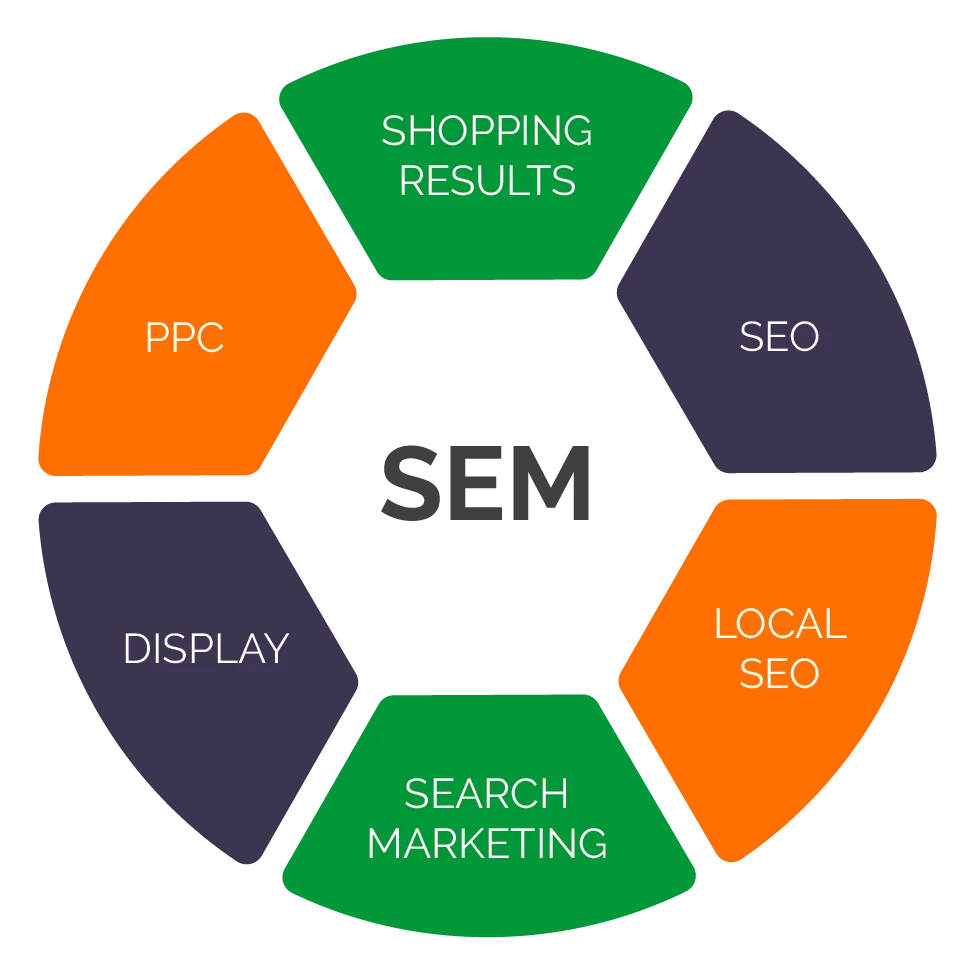
What is Search Engine Marketing?
Search Engine Marketing, a digital marketing strategy used to increase a website’s visibility on search engine results pages (SERPs) through paid advertising.
While SEO relies on organic rankings, SEM focuses on paid placements, allowing businesses to appear at the top of search results almost instantly.
Search Engine Marketing typically involves running paid ads through platforms like:
- Google Ads
- Bing Ads
- Yahoo Search Ads
When a user searches for a keyword related to your business, SEM helps your ad appear above or beside organic search results, increasing the chances of them clicking and converting.
How Search Engine Marketing Works
Search Engine Marketing operates on a PPC (Pay-Per-Click) model, meaning you pay only when someone clicks on your ad. Here’s how the Search engine Marketing process typically works:
1. Keyword Research
The foundation of Search Engine Marketing begins with identifying relevant keywords your audience is searching for—such as “digital marketing services,” “best website designer,” or “buy shoes online.”
2. Creating Targeted Ads
Advertisers create compelling ad copy with headlines, descriptions, CTAs (call-to-action), and sometimes images depending on the ad type.
3. Bidding on Keywords
Search Engine Marketing platforms run auctions where businesses bid on specific keywords. Higher bids and better-quality ads usually receive better placements.
4. Ad Placement
Once your ad wins the auction, it appears in premium positions at the top or bottom of search results.
5. User Clicks & Conversion
You pay when someone clicks your ad. The goal is to drive them to a landing page where they take action—buying, signing up, or contacting your business.
Types of Search Engine Marketing Ads
SEM includes several types of paid ads, each serving different goals:
1. Search Ads
Text-based ads that appear on Google when users search for keywords.
Example: Someone searches “best mobile app developer,” and your ad appears at the top.
2. Shopping Ads
Used for e-commerce businesses. They showcase product images, prices, and store names.
3. Display Ads
Banner-style visual ads shown on websites within Google’s Display Network.
4. Video Ads
Ads displayed on YouTube and partner sites.
5. Remarketing Ads
Ads that target people who’ve already visited your website, encouraging them to return and complete an action.
Benefits of Search Engine Marketing
SEM is highly effective for businesses wanting quick and measurable results. Here are its top advantages:
1. Instant Visibility
Unlike SEO, which takes time, SEM positions your business at the top of search results almost immediately.
2. Highly Targeted Reach
You can target users based on keywords, location, age, device, and even interests.
3. Measurable Results
Search Engine Marketing tools offer detailed analytics—clicks, impressions, conversions, and ROI—helping you optimize campaigns.
4. Budget Control
You decide how much you want to spend. Whether it’s ₹200 per day or ₹20,000, SEM fits every budget.
5. Increased Conversions
Because SEM targets users actively searching for your product, it brings highly qualified leads.
6. Boosts Brand Awareness
Even if users don’t click your ad, seeing it repeatedly builds recognition over time.
SEM vs. SEO: What’s the Difference?
Although SEM and SEO work together, they are very different:
| SEM | SEO |
|---|---|
| Paid advertising | Organic (free) ranking |
| Instant results | Long-term results |
| Appears at top of SERPs | Appears below ads |
| Budget needed | No direct cost |
| Great for short-term growth | Great for long-term strategy |
Many businesses use both SEM and SEO, creating a powerful digital marketing combination.
Why Businesses Should Use SEM
SEM is ideal for:
- New businesses looking for quick visibility
- Companies launching new products
- Local businesses wanting to appear in their city’s search results
- E-commerce brands seeking conversions
- Service providers needing high-intent leads
When used strategically, SEM can significantly boost website traffic, brand exposure, and sales.
Final Thoughts
SEM is one of the most effective digital marketing strategies for businesses wanting fast, measurable, and targeted results. While SEO builds long-term authority, SEM delivers immediate visibility, helping brands engage ready-to-buy customers at the perfect moment.
By combining strong keyword research, compelling ad copy, audience targeting, and continuous optimization, businesses can use SEM to grow faster and stay competitive in the digital landscape.
To know more about Search Engine Marketing Click here.