In the digital world, businesses rely heavily on online visibility to attract customers, build brand awareness, and increase sales. You’ve probably heard terms like SEO, SEM, PPC, and Google Ads, but what do they actually mean? Although often used interchangeably, each plays a unique role in digital marketing. Understanding them can help you choose the right strategy to grow your business online.
This guide breaks down each concept in a simple, easy-to-understand way—perfect for beginners and brands looking to improve their online presence.
1. What is SEO (Search Engine Optimization)?
SEO stands for Search Engine Optimization, a process that helps your website rank higher on search engines like Google, Yahoo, and Bing without paying for ads.
SEO focuses on improving:
- Website content
- Technical performance
- User experience
- Backlinks
- Keyword optimization
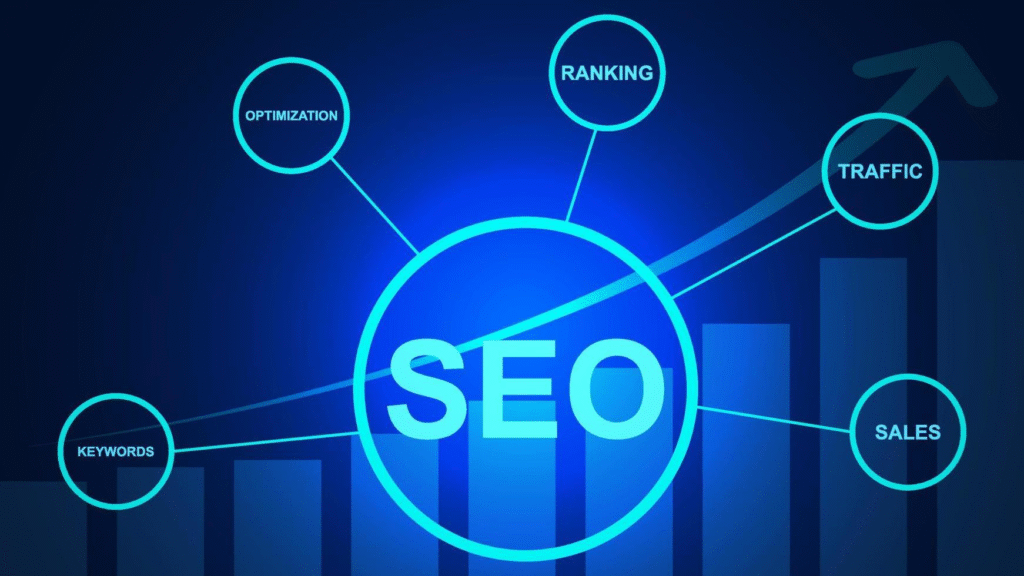
When done right, SEO helps your website appear at the top of organic search results. For example, if someone types “best digital marketing company near me”, SEO ensures your website appears on the first page.
Why SEO Matters:
- Free, long-term traffic
- Builds trust and credibility
- Higher visibility and brand awareness
- Better user experience
- Strong ROI over time
SEO takes time but delivers powerful results that last.
2. What is SEM (Search Engine Marketing)?
SEM, or Search Engine Marketing, is a broader term that includes all strategies used to increase visibility in search engines—both paid and organic.
This means SEO + PPC = SEM.
While SEO brings organic traffic, SEM enhances it with paid campaigns to boost visibility even faster.
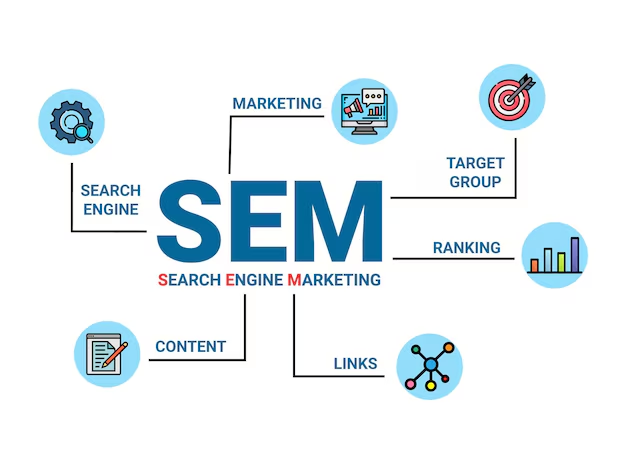
SEM Includes:
- SEO optimization
- Google Ads campaigns
- Display ads
- Remarketing campaigns
SEM is great for businesses that want quick leads while simultaneously improving their organic presence.
3. What is PPC (Pay-Per-Click)?
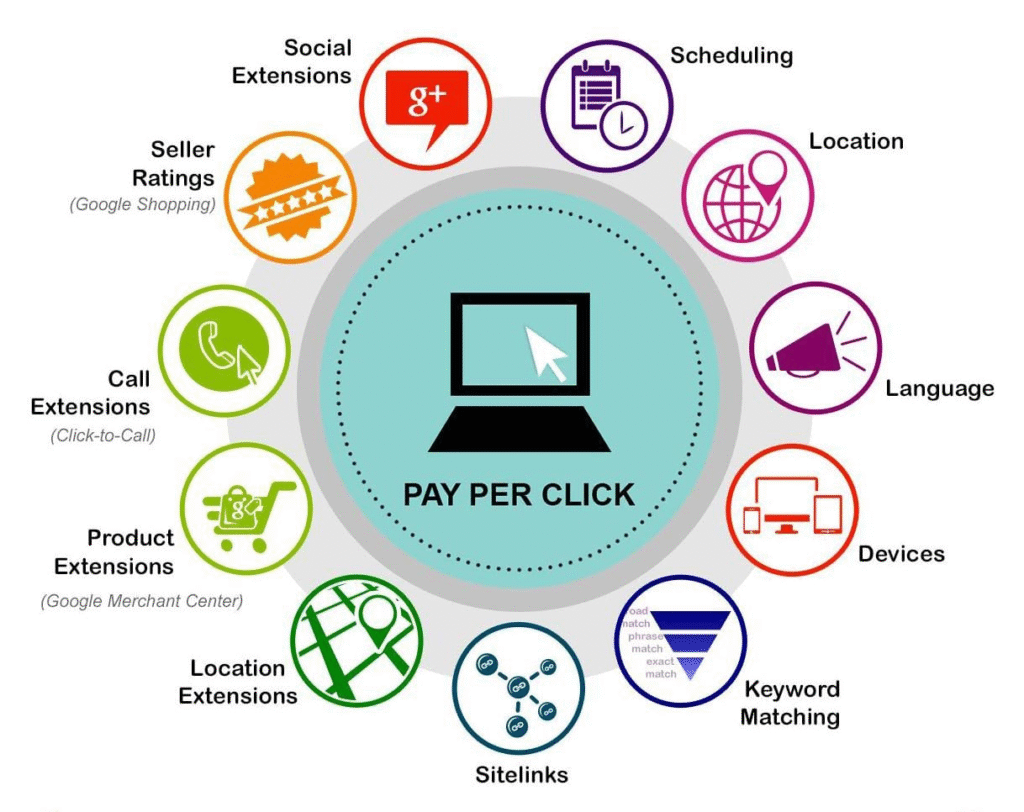
PPC is a paid advertising model where you pay only when someone clicks on your ad. It’s one of the most cost-effective marketing methods because you are charged only for actual engagement—not impressions.
Where PPC Ads Appear?
- Google Search Results
- YouTube Ads
- Display Network (banners on websites)
- Social Media Ads (Facebook, Instagram, LinkedIn)
Benefits of PPC:
- Instant visibility
- Target specific keywords
- Full control over budget
- Highly measurable results
- Perfect for lead generation
PPC helps businesses generate fast results, especially for competitive industries where ranking organically may take time.
4. What Are Google Ads?
Google Ads is Google’s advertising platform where you can create PPC campaigns. It allows businesses to run ads across Google Search, YouTube, Gmail, Maps, and partner websites.
Types of Google Ads Campaigns:
- Search Ads (text ads in Google results)
- Display Ads (image ads across partner websites)
- Video Ads (YouTube)
- Shopping Ads (product-based ads)
- App Promotion Ads
Google Ads is one of the most powerful marketing tools because it targets users actively searching for your services.
For example:
If someone searches “website designing company in Noida”, your ad can appear at the top instantly.
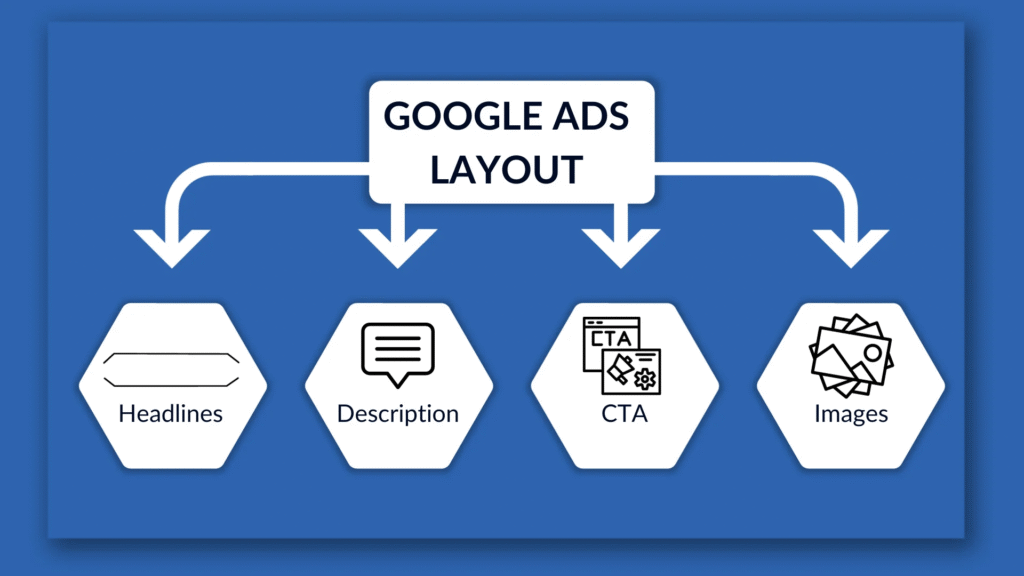
Why Google Ads Works:
- High-intent audience
- Budget-friendly for all business sizes
- Real-time performance tracking
- Wide reach across Google platforms
- Quick lead generation
Google Ads combined with SEO and PPC creates a strong digital marketing ecosystem.
How SEO, SEM, PPC & Google Ads Work Together
These four strategies complement each other:
- SEO builds long-term traffic
- PPC & Google Ads generate immediate results
- SEM combines both to maximize visibility
A smart digital marketing strategy uses all of them for balanced growth.
Final Thoughts
Understanding the difference between SEO, SEM, PPC, and Google Ads is essential for any business aiming to grow online. SEO offers long-lasting visibility, SEM provides a balance of paid and organic results, PPC gives instant traffic, and Google Ads helps you reach the right audience at the right time.
Whether you’re a startup or an established brand, using these strategies correctly can significantly boost your online presence, lead generation, and business growth.